Cube has been hugely growing in popularity over the last several years, and I couldn't be happier about that. This has obviously led to not just a lot of new cube players, but a lot of new cube builders too. Since then, and particularly since I started holding online Yellow Box events, I've had a couple of people ask me about my process when making cubes, either Yellow Box in particular or just in general. The goal of this article is to give broadly applicable advice for where to start with building any type of cube, 1v1 or otherwise. (For those interested in designing specifically Yellow Box-styled 180 card cubes, I'll be writing another article later!)
You might already have an idea for a jumping off point for your cube. Maybe it's a particular power level, a particular mechanical theme, or even a rules mod or gimmick. But maybe you want to build a cube, but don't even have an idea of what kind you want to build yet. How do you find a place to start?
I like to start from a specific card. What's a card that I think is really cool, that I want to be playable in this cube? All you need is a single card, and the rest of the enviornment canemrge around that. For example, let's take this card.
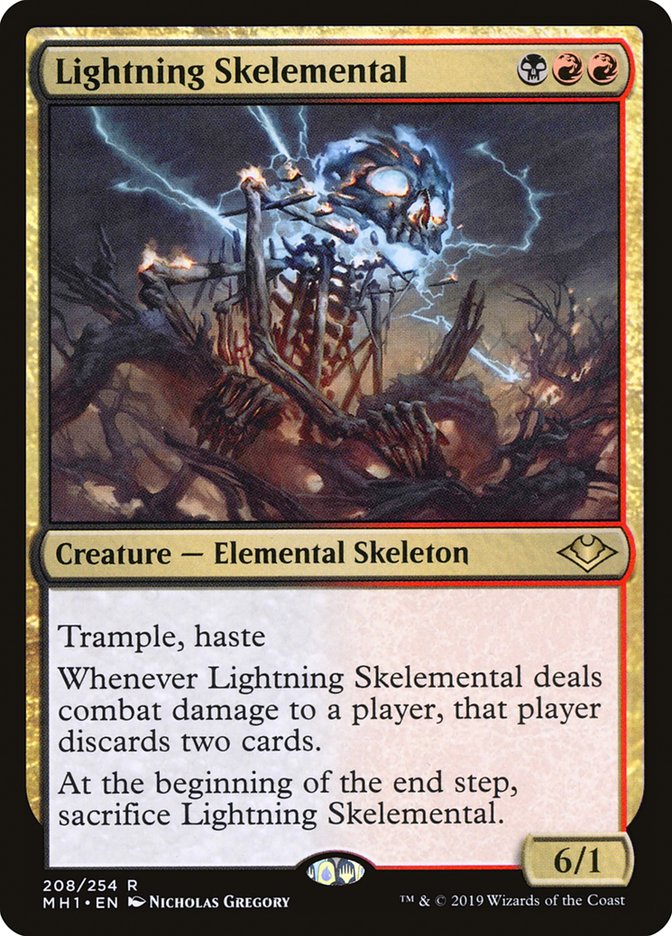
This card rules, on this I imagine most people would agree. Let's say this is our spark, the card we're using as our base. Where do we go from here?
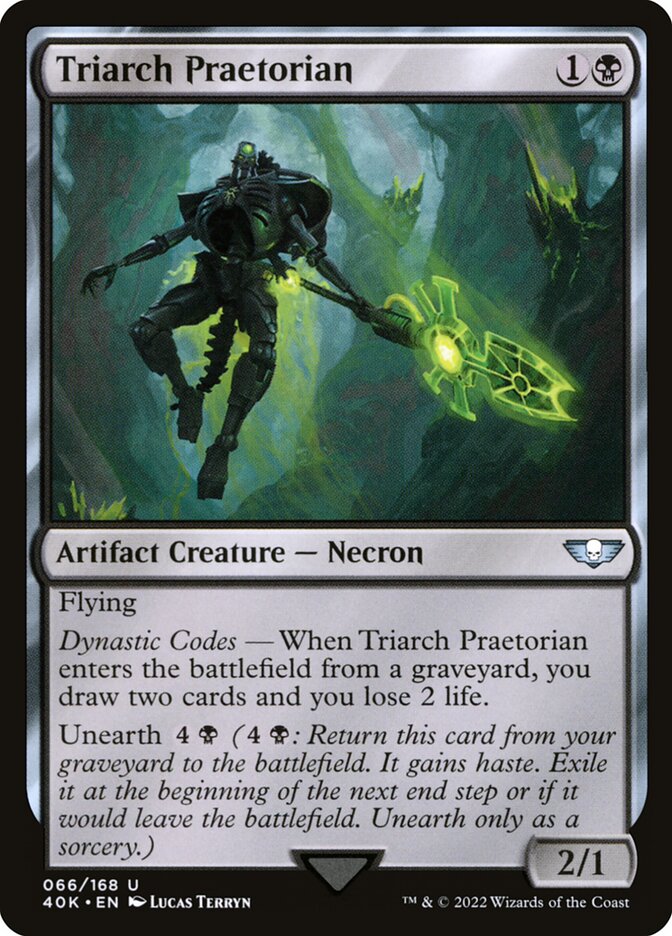
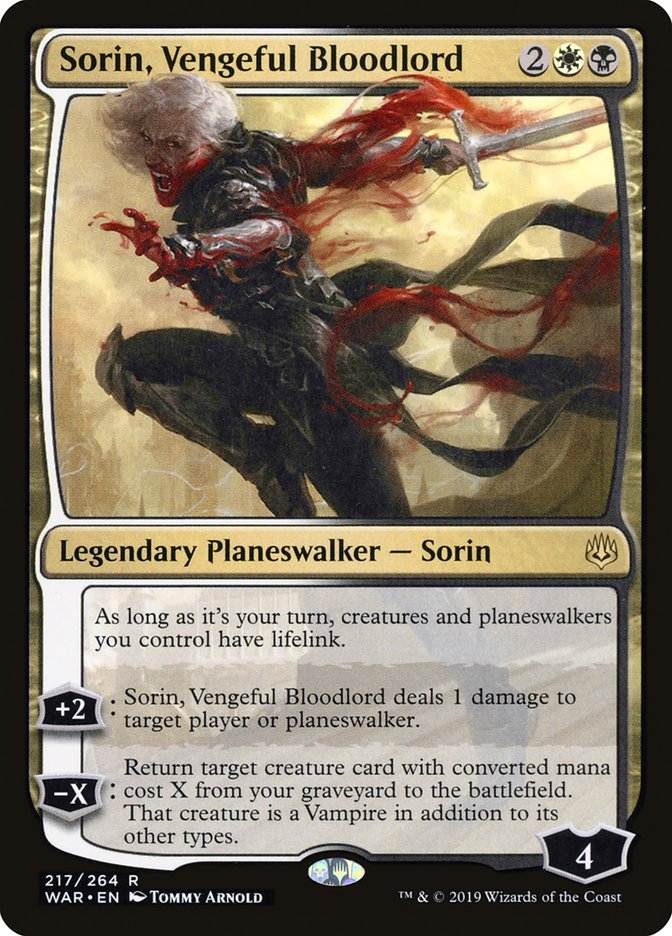
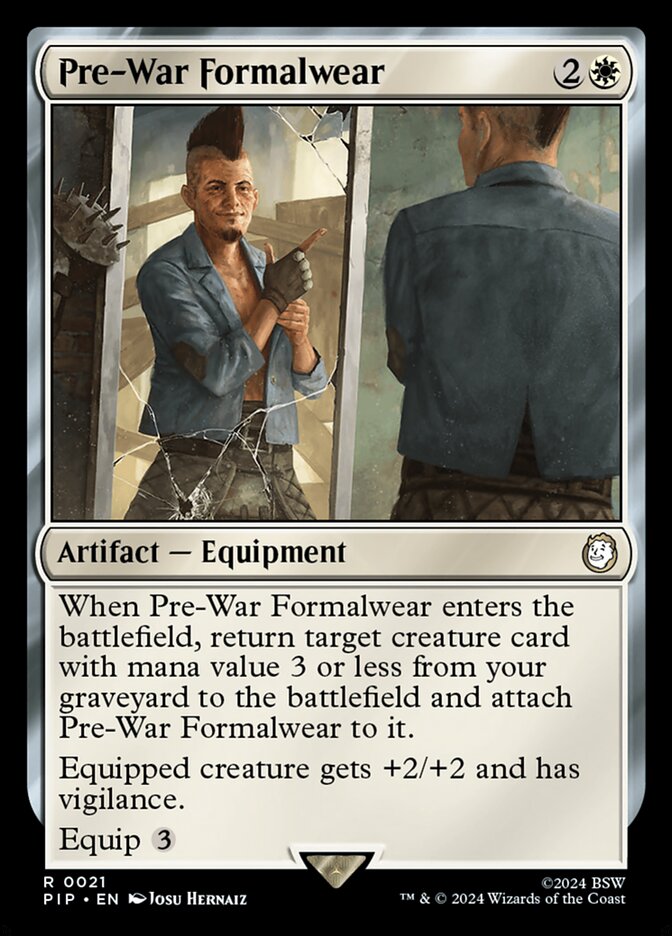
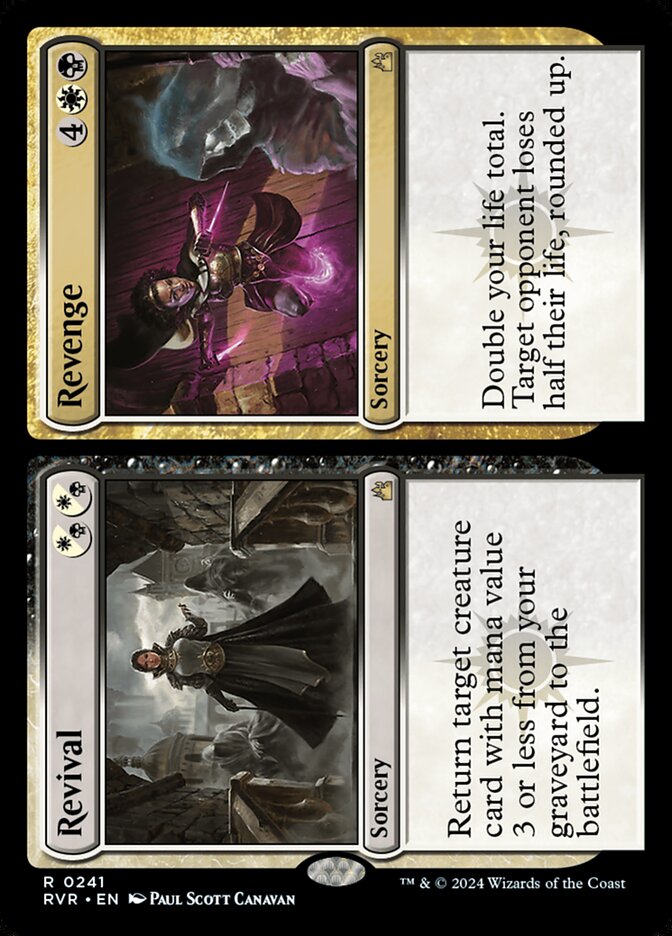
Well, let's consider types of cards that would work well with Lightning Skelemental. The number one thing that comes to mind for me are Unearth effects: Ways to reanimate a creature with mana value 3 or less. Rebuying a Skelemental with these effects is efficient and brutal, something you can really build a deck around.
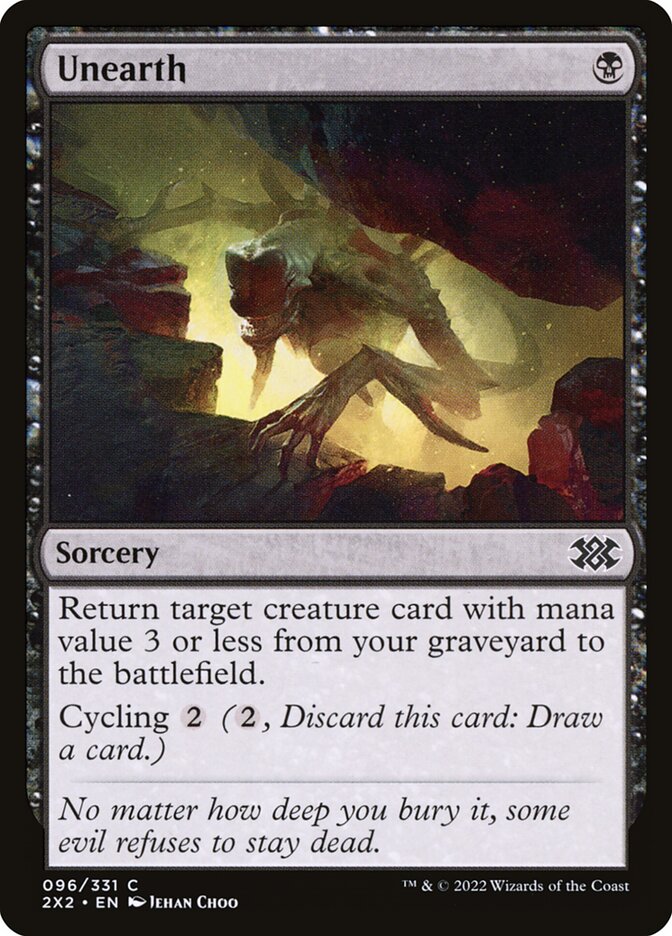


Just like that, we have an archetype: "3animator" as it's sometimes called, a graveyard value deck with plenty of juicy targets at mana value 3 or less. We've got a cube list now: Let's add in some more exciting payoffs for playing Unearth effects.

Don't worry about getting particularly granular about power level at this stage: Use common sense for obvious outliers on either end, but it's better to start with a big list of options across a broad band of power and then wittle it down later. You might not even know what power level you're aiming for yet, so just get a lot of options that fit into your theme.
As far as colors, don't spread yourself too thin across 4 or 5 colors, but don't worry about keeping your theme to exactly 2 colors either. A common pitfall I see from new cube designers is to come up with exactly one archetype for each 2-color pair, often with little overlap between them. This isn't the worst direction to take, this is how most retail limited formats are set up after all. It makes it easy to explain a cube to new players, and ensures there's a variety of viable themes. However, it's also very constricting: The less overlap between your archetypes, and the more linear each 2-color pair's theme is, the more on rails the draft becomes, removing a lot of interesting decision making. So far our cards are natually lending themselves to primarily Black, with some Blue and Red. While considering cards for our 3animator theme, keep these colors in mind, but if you see a cards in other colors that could be interesting, given they're not incredibly linear, don't be afraid to pencil them in as possible considerations.
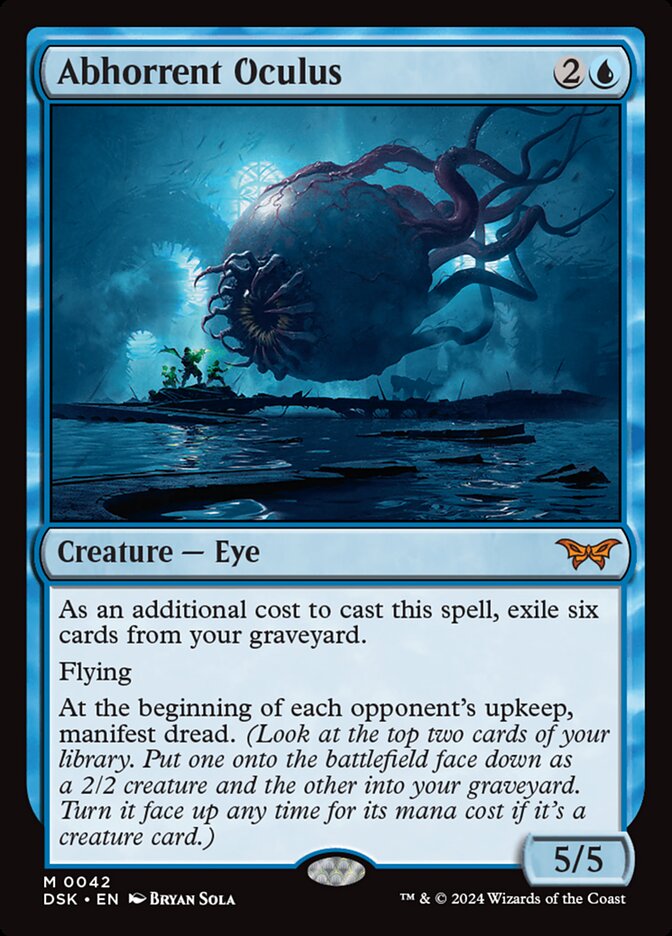
Now that we have a theme, the next step is to consider overlap: What other decks will have cards in common with this theme? My mind jumps to ways to fill the graveyard: If I'm looking to reanimate creatures, especially ones like Abhorrent Oculus and Skaab Ruinator that are hard to cast from the hand, then discard effects become very exciting. Let's add in some discard effects to help with this.
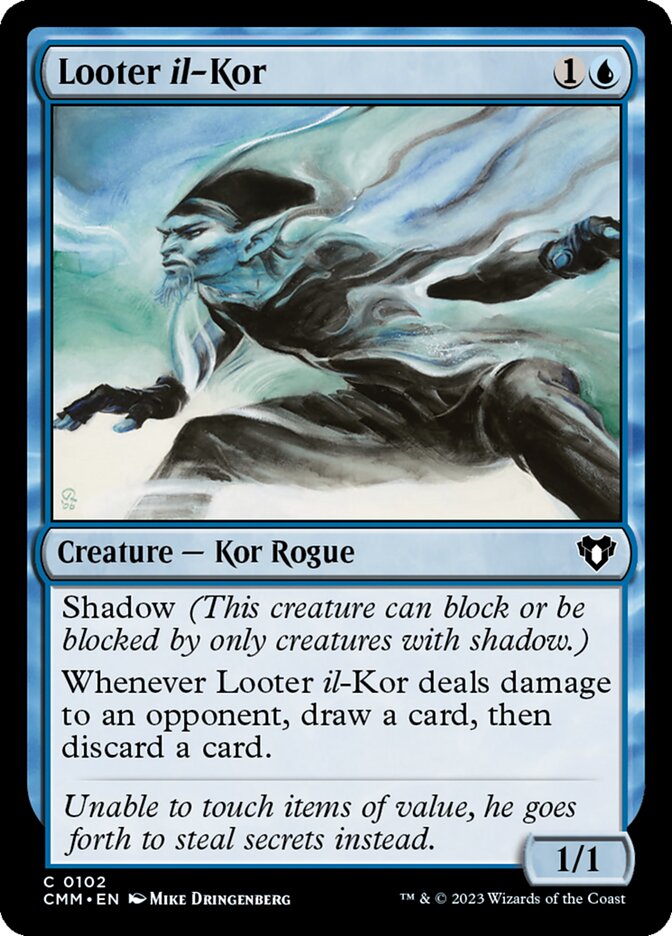
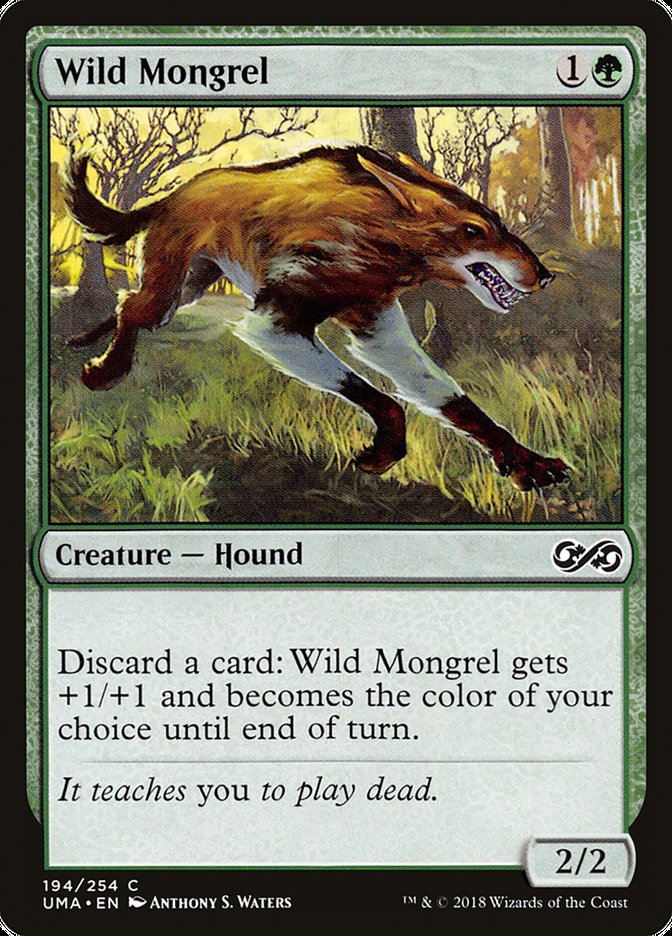
Lots of decks can use discard effects: How about a dedicated discard/Madness deck? This fits perfectly into red, allowing those cards to overlap with our 3animator theme perfectly. Plus we get some exciting cards in green: Dipping more into a new color helps ensure the overlap between these decks isn't just a circle.
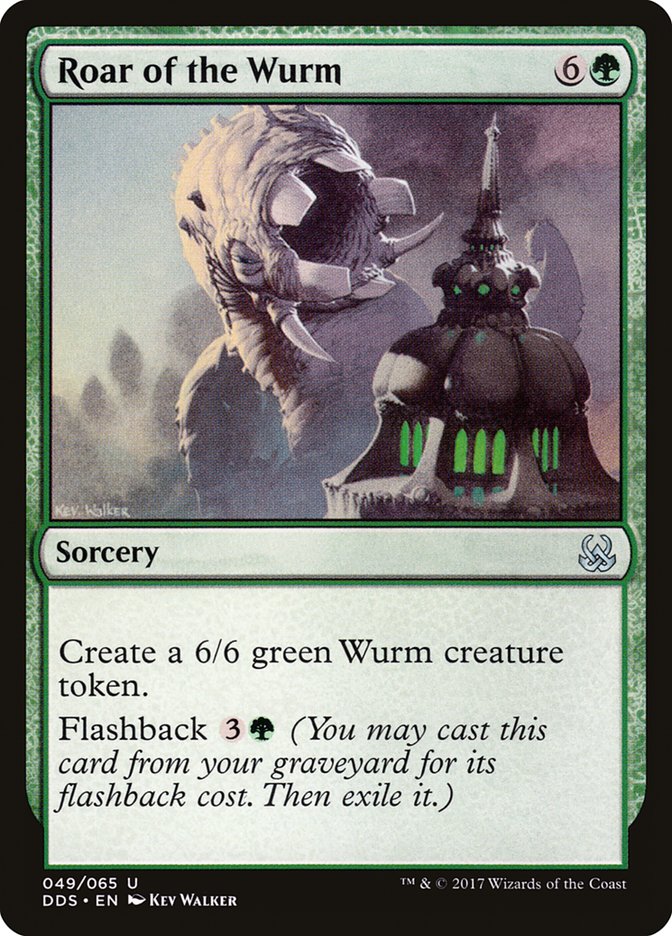
Now we've got lots of discard in red. A lot of red's best discarding cards are rummages, discard and draw together. That of course formed the core of Izzet Looting in standard, what if we come back to blue and added some of those cards as well?
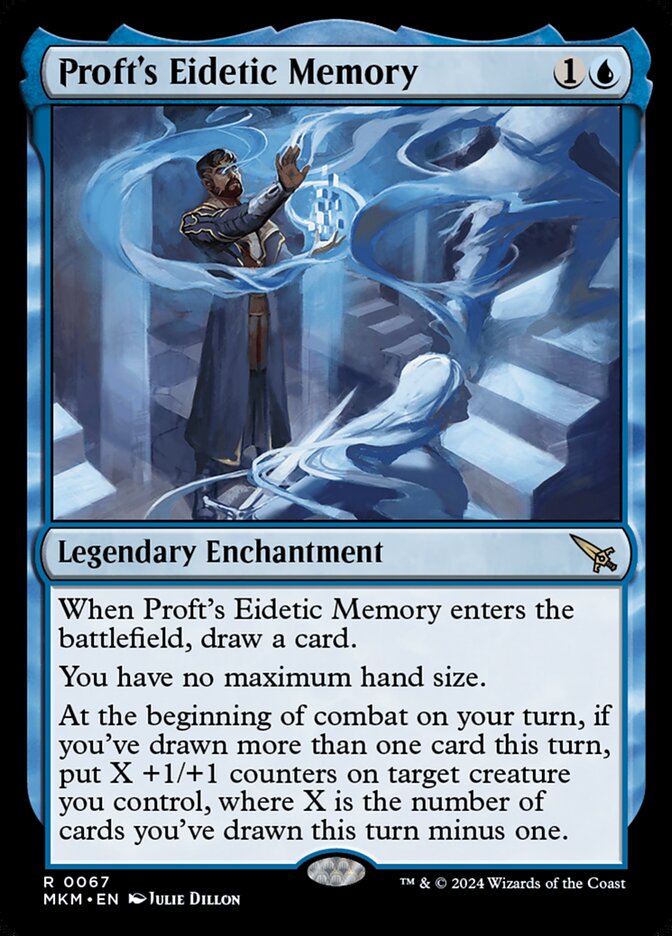
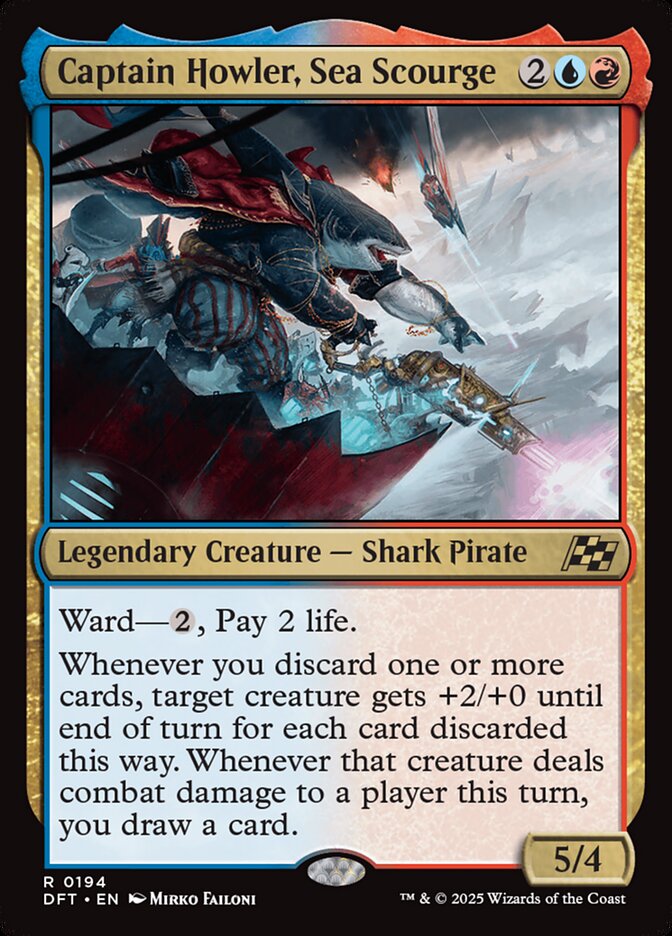
Now we're getting somewhere. Let's imagine a draft with our themes here. In Pack 1 Pick 1 you take Faithless Looting. From there, you could go into Black for 3animator, Blue for Looting, or Green for Madness. Or even have a deck that spans those archetypes, they have lots of cards that can work together between them! Building out archetypes by building bridges across themes and colors is a great way to ensure your cube is rich in interesting decisions to be made during the draft.
Now, we've got lots of themes we're happy with. But those themes are hardly spred out evenly across colors. Plus, you don't want every card to work well in every deck in the cube, or you risk your cube feeling one-note. If you're looking to introduce some more different themes at this point, take a look towards your enabler cards: Your bread and butter effects that form the supporting core of your archetypes. You should have added at least a couple by now.
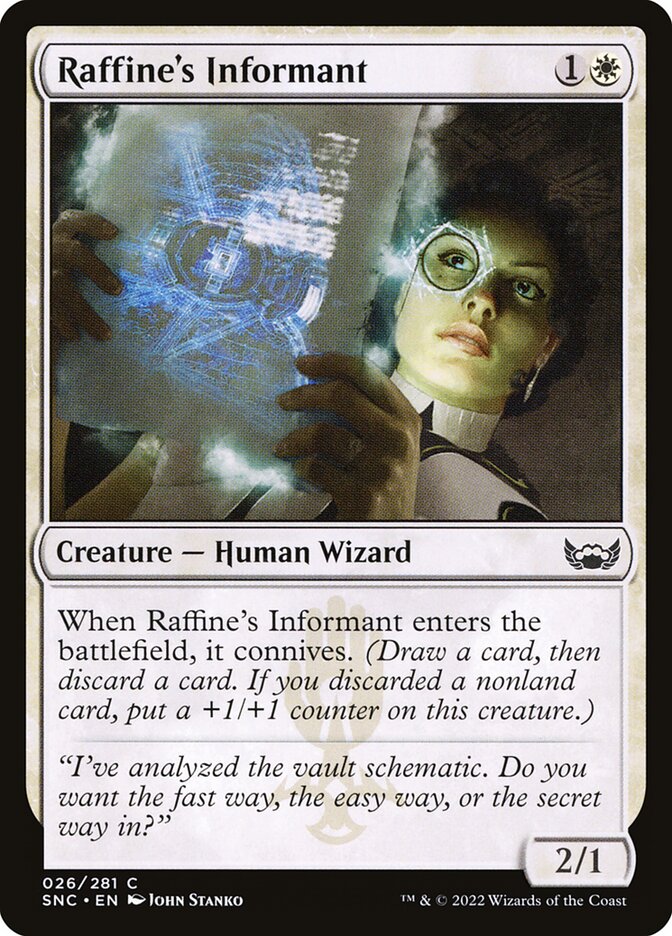
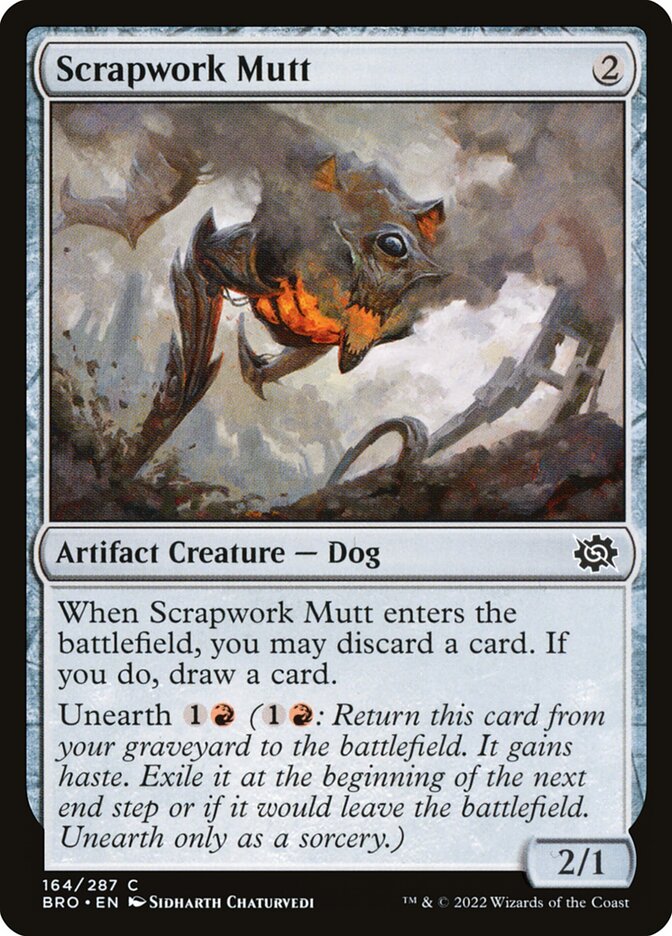
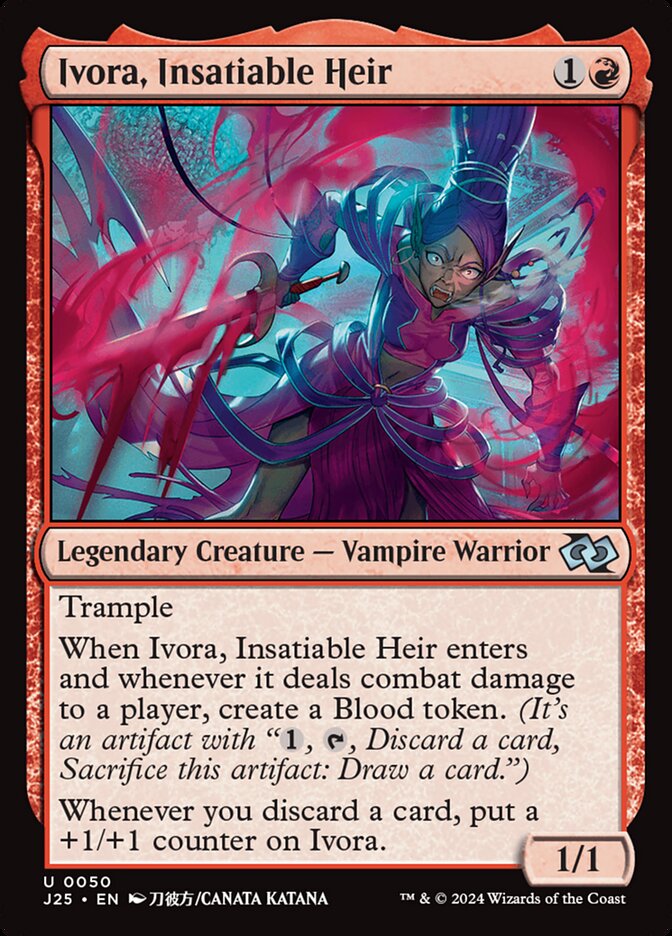
These are some cards we've added to support our discard themes. But they could also serve as themselves jumping off points for new archetypes. Raffine's Informant puts a +1/+1 counter on itself, Scrapwork Mutt is an artifact, and Ivora interacts with both counters and artifacts. Either of those could be the basis for new archetypes themselves. Adding new themes this way is a great way to start from a baseline of synergy bridges: Ideally no theme in your cube is an island where no other decks want their cards.
Alternatively, we could look at the color(s) we're lacking in and choose a new "Spark" card in one of those colors. Let's say I want a new White theme, and I really dig this card:
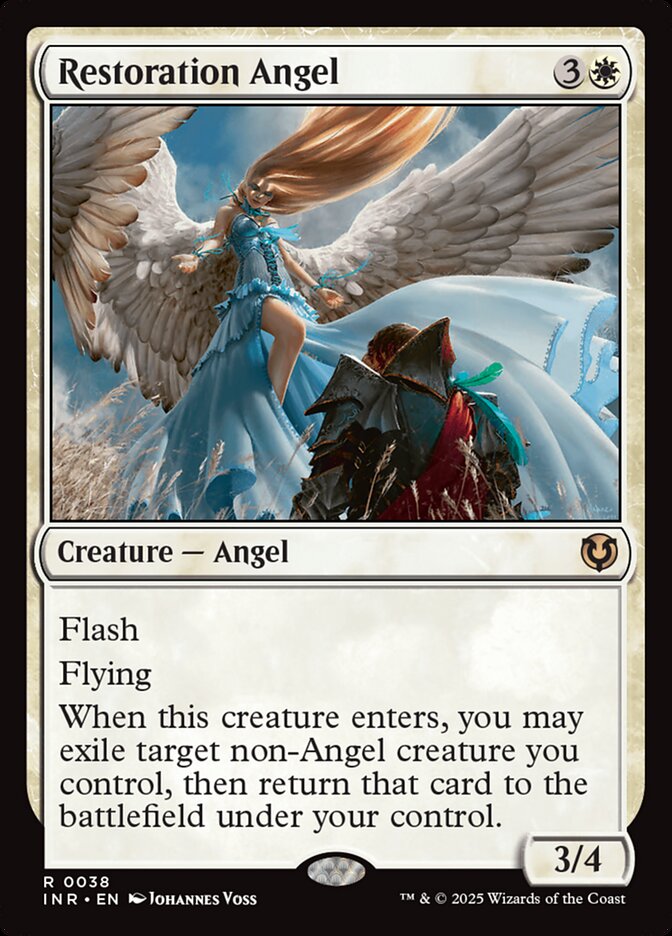
Classic, right? From here we could go for a Flash theme across White, Blue, and Green, or an ETBs theme to incorporate Black. Those 3animator spells are great at recurring creatures with good ETBs after all! Once you have an additional theme, even unrelated from your first one, you can start to find bridge cards between it and your existing theme. Let's go with the Flash idea.

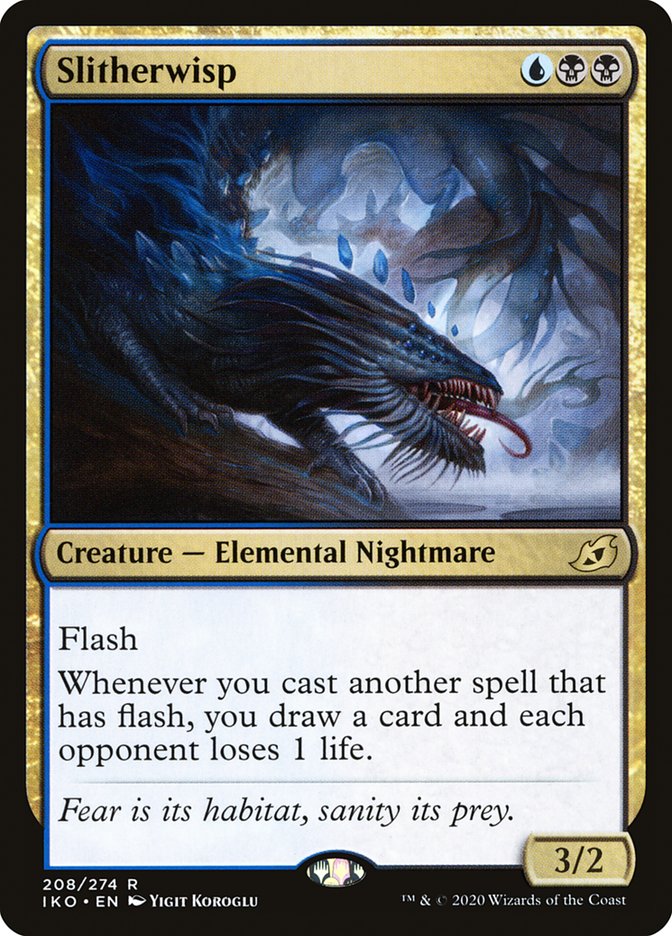
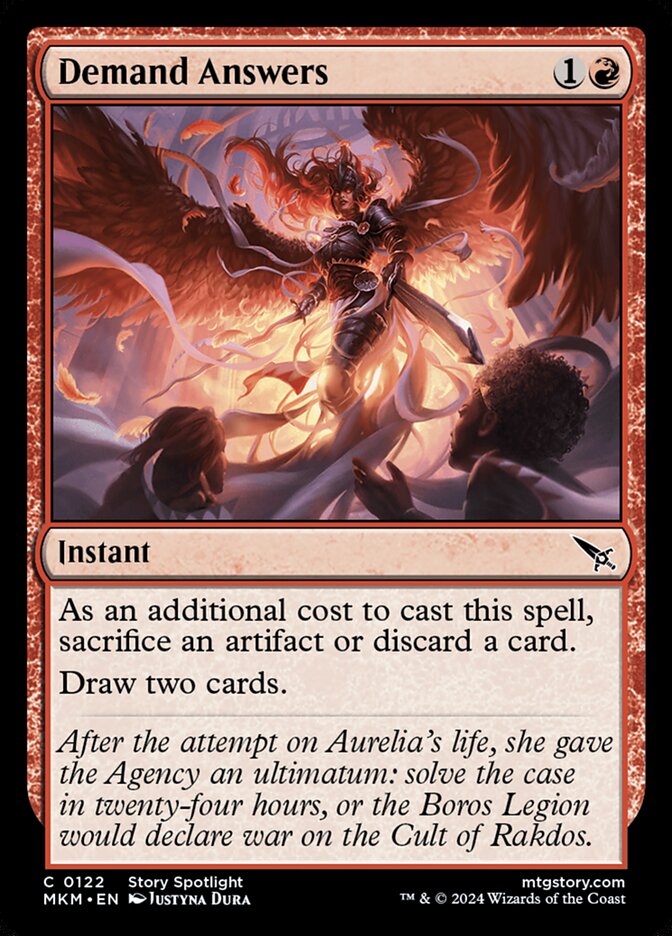
Making the flash deck's draw spells also discard lets them support our graveyard and looting themes, and Slitherwisp being a powerful black value engine at 3 mana makes Unearth effects particularly interesting to those decks as a way to ensure it can get value even if it's removed. And hey, while I was looking for instant speed discard/draw spells I found Demand Answers: That works great with Scrapwork Mutt and Ivora, perhaps sacrificing artifacts is the next theme we can fold in.
Continue building in new themes and decks like this until every color has several things it can do. I like to aim for every color to have 2 themes it's a primary color for, plus 1 or 2 that it has some additional support for. It's not always clear where one theme stops and the next begins (which is by design with this method!), and these are not hard and fast numbers, but when sketching out your themes try to make sure no color feels too underbaked or one-note.
Once you're at a certain point, you should start considering things like curve, removal density, generic effects, and mana fixing. Any one of these topics could have a whole article written about it, but here's some general advice.
Consider the speed of your decks, and how that impacts each color. If your red decks are all fairly aggressive, a red boardwipe would have a hard time finding a home.
It's hard to overdo mana fixing. More lands doesn't just help multicolored decks, it helps make sure 2 color decks can cast their spells too. I personally usually add roughly as many lands as I have cards of any one color, perhaps slightly less, but when in doubt I'd lean towards more lands. (Yellow Box is an exception in that it has fewer, but it has more mana fixing in its nonlands than I usually include.)
Consider how your removal and utility cards interact with your archetypes. For example, with creature reanimation being so impactful in our Lightning Skelemental cube, exile-based removal should come at a premium over removal that sends creatures to the graveyard. Toughness thresholds can be interesting to consider too, if you have seven red burn spells that deal 3 damage, consider how this impacts the matchups of red decks into 4-toughness threats.
When in doubt, lean towards monocolored cards and lower curves. It's easy to overdo expensive cards and gold cards since they're quite exciting, and while no two cubes are the same in this regard, in general you want to make sure you have plenty of 1 and 2 drops in each color, across every archetype.
Ultimately, the number one rule is that there are no rules! This is how I like to make cubes and things that I've learned from doing it, but depending on the goals of your format you might want to do things completley differently. No matter how you're building your cube, the hardest part is getting to a draftable list. Once you have that, it's all a matter of refining and playtesting. Even if it's far from perfect in its first draft, Magic is a baseline level of fun such that even a very flawed cube is probably still gonna be fun to play with your friends. So build something and play something, and don't worry too much about getting it perfect on the first try. Good luck, and have fun!
